
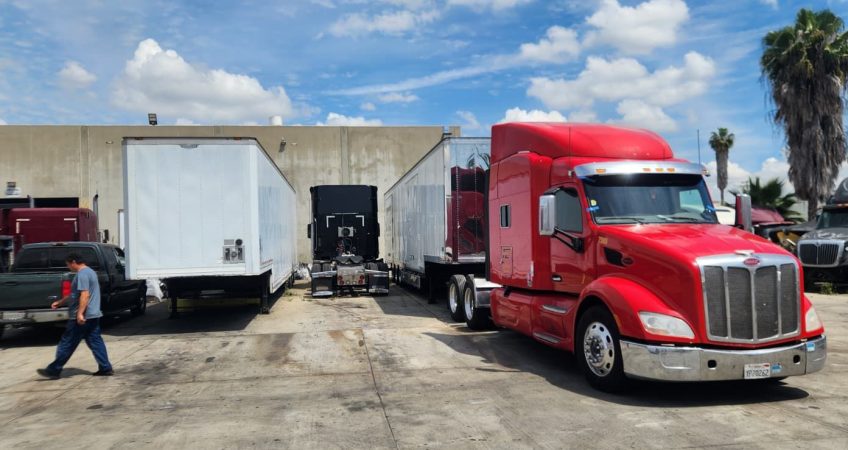
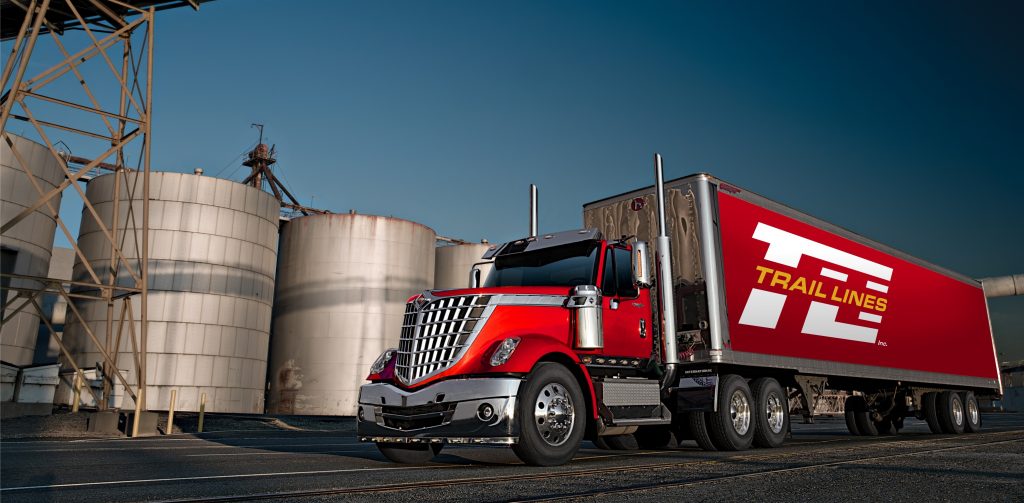
For three decades, Trail Lines has built its reputation the old-fashioned way. One customer recommended another. One successful delivery led to the next. In an industry where reliability is remembered far longer than advertising, that was enough.
But even the strongest reputation has its limits. Companies that depend entirely on referrals eventually discover there are customers who need their services but have never heard their name. Earlier this summer, Trail Lines decided to try something different−
not to reinvent itself, but to document the work it has quietly carried out for years.
That decision brought author, actor and speaker Jovanna Vidal to the company’s facility for a day that neither side expected would reveal much beyond the mechanics of a freight operation.
Vidal is best known for her work with families.
She created The Parenting for Confident Kids Summit and wrote the Amazon bestselling book Teen Anxiety No More. Freight logistics would seem an unlikely stop on that journey.
Yet the connection proved more natural than anyone anticipated.
Before her career in publishing and public speaking, Vidal spent time around the furniture business. Trucks arriving at loading docks, workers moving carefully wrapped pieces from warehouse to showroom, and the daily rhythm of distribution were familiar scenes. Visiting Trail Lines offered a look at the other side of that world−the part customers rarely see once a piece of furniture leaves a manufacturer.
The assignment was straightforward. Capture the daily life of the company through interviews, photographs and video. Drivers preparing for departures. Crews blanket-wrapping furniture. Dispatchers coordinating shipments. Forklifts moving steadily through the warehouse. Maintenance crews inspecting equipment before another run across the country.
None of it was staged.
The cameras simply followed our furniture transportation pace of an ordinary working day.
For a business that specializes in Furniture Transportation, ordinary is often where its greatest strengths are found. Every shipment depends on routines refined over years: careful handling, secure loading, dependable scheduling and the experience to anticipate problems before they happen. Customers rarely witness those details, yet they shape every successful delivery.
The filming also offered something less tangible. People who had met only through video calls finally shook hands. Conversations that began as production planning became discussions about careers, craftsmanship and the pride many workers take in an industry that receives little public attention.
The freight business seldom occupies much space in popular culture. Most people think about a dining table when it arrives in their home, not the network of drivers, dispatchers and warehouse teams responsible for bringing it there. Furniture Transportation exists largely behind the scenes, even though it supports manufacturers, retailers, designers and families across the country every day.
That perspective resonated with Vidal.
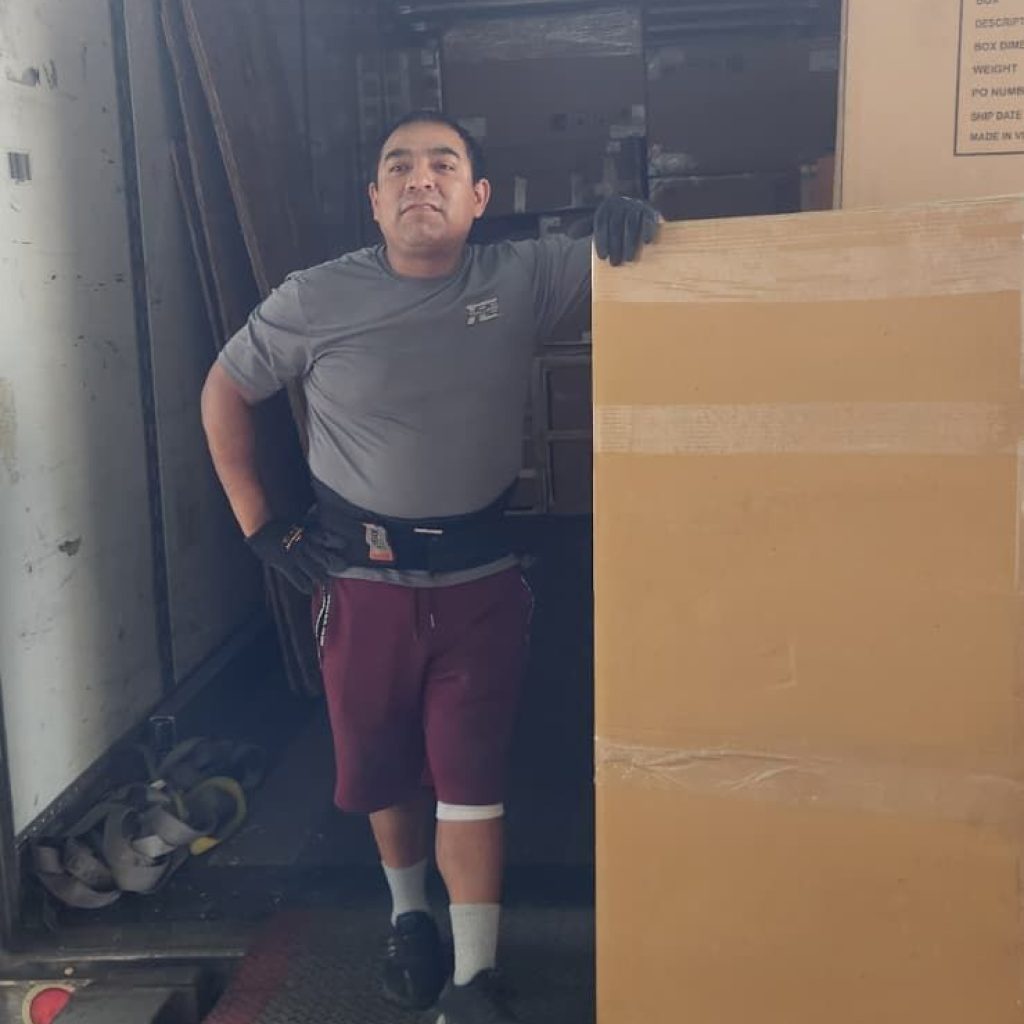

For years she has encouraged young people to approach their futures with curiosity rather than anxiety. Spending time inside Trail Lines introduced another career path that deserves consideration. Not every meaningful profession takes place in an office or in front of a camera. Industries such as Furniture Transportation offer opportunities in logistics, operations, fleet management, warehousing, customer service and skilled driving−work that demands discipline, judgment and professionalism.
By the end of the day, the production team had gathered hours of interviews and footage. More important, they had captured something difficult to manufacture: the character of a company simply doing its work.
Trail Lines came away with a collection of photographs and films that reflect its people as they are rather than as they might appear in a polished advertisement. Vidal left with a deeper appreciation for an industry connected to her own past in ways she had not fully considered.
Some partnerships begin with shared expertise. Others begin with curiosity. Occasionally, that is enough to remind both sides that every business has a story worth telling, provided someone is willing to spend the time looking beyond the loading dock.